Infrared Heat Advancing Sauna Wellness Standards
Heat has long been celebrated across cultures as a powerful tool for wellbeing, offering relaxation, rejuvenation, and a welcome escape from everyday stresses. Saunas, in particular, have earned their place as beloved retreats for heat-based wellness. Yet, it's important to know that not all heat is the same. Over recent years, more people have become curious about the differences between traditional saunas and the newer infrared models. Understanding how these technologies work can help us appreciate the unique ways they influence the body. Adding another layer to this conversation, pioneering clinic-based systems like the RegenPhD Pod use advanced energy modalities to take heat wellness to an entirely new level.
The Science of Heat—Traditional Saunas and Infrared Explained
Traditional saunas create heat by warming the air inside a closed space, typically using electric heaters or wood stoves. The temperature in these rooms usually ranges between 70°C and 100°C. As the air heats up, it gradually warms the skin and body, inducing sweating and a comforting sense of warmth. You can think of this as an indirect way of heating—the hot environment raises your body's surface temperature.
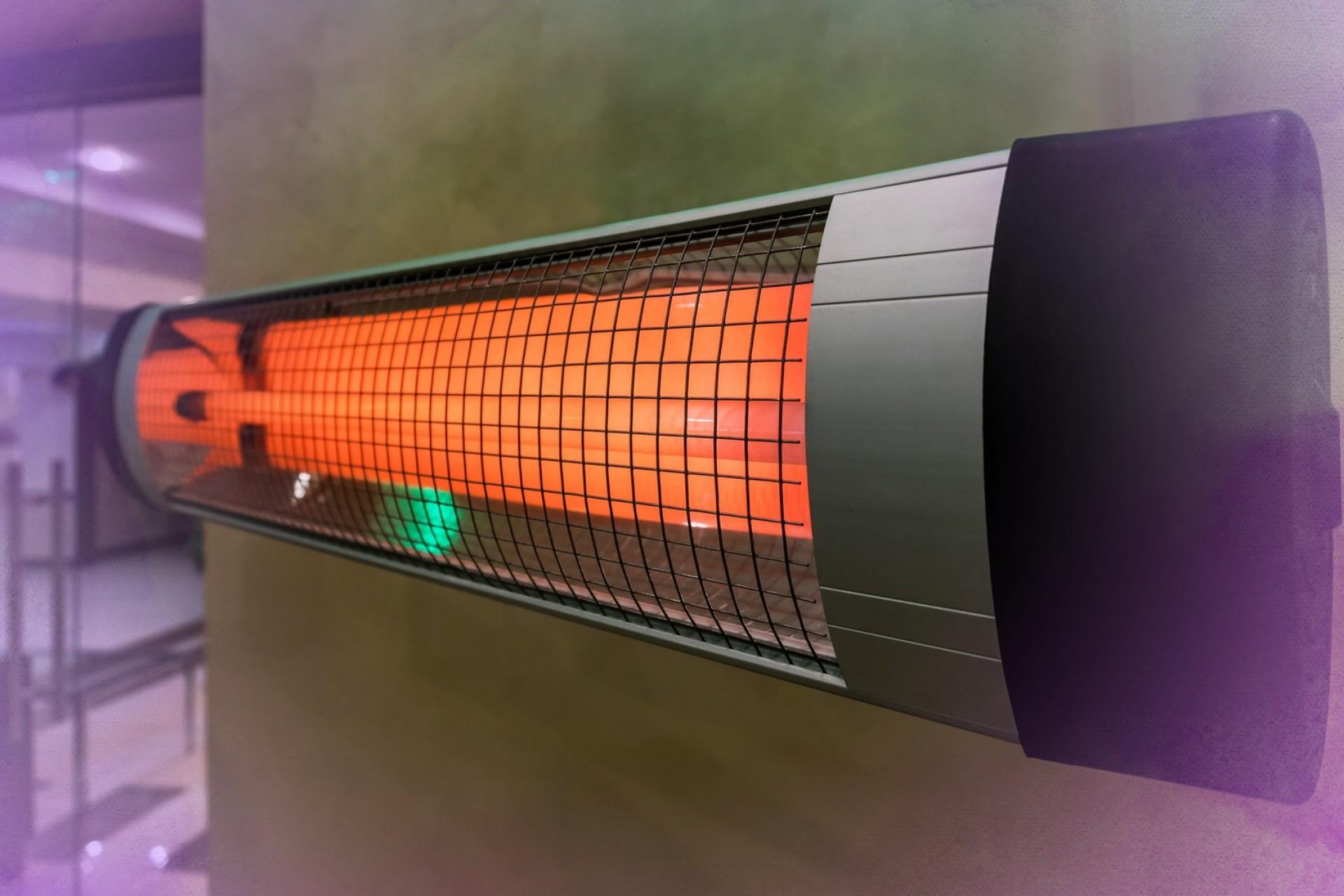
Infrared saunas work differently. Instead of heating the air, they emit far infrared rays—energy waves invisible to the human eye—that penetrate directly into the skin, warming the body from the inside out. This creates a sensation many find gentler and deeper than the typical sauna experience. Research supports this distinction too. One study found that "rectal temperature at the end of treatment was greater in the cycling exercise group compared to infrared heat (37.1 ± 0.2°C, P < 0.001)", highlighting the milder temperature increase with infrared saunas (Erb et al., 2020). So, while traditional saunas envelop you in hot air, infrared saunas deliver warmth straight into your tissues, making for a very different heat experience.
Beyond Temperature—Wellness Effects of Heat Modalities
When it comes to the wellness benefits of these saunas, it’s best to think in terms of overall vitality and comfort, rather than medical treatments. Traditional saunas encourage relaxation, boost circulation, and may help the body recover from physical strain. They offer a warm embrace that supports resilience by gently challenging your body’s ability to regulate heat.
Infrared saunas are often praised for their targeted warmth. Many users describe a deep, soothing heat felt beneath the skin — a key feature of the far infrared heat benefits. This type of heat tends to feel more comfortable, especially for those who find the high temperatures of traditional saunas overwhelming. Scientific findings reflect this too: "Central pulse wave velocity (a measure related to cardiovascular function) showed medium improvements after infrared heat exposure compared to control," indicating a positive effect on vascular relaxation (Erb et al., 2020). Additionally, while a recent study found that "regular post-exercise infrared sauna bathing does not significantly impact muscle hypertrophy, it might enhance long-term power production" (Ahokas et al., 2025), showing potential for recovery and performance support.
Further reinforcing infrared’s role, sauna bathing is said to "enhance the positive effects of physical activity on cardiovascular health, particularly in people with major risk factors" (Elias et al., 2025). This suggests a valuable synergy between heat exposure and exercise for boosting wellbeing.
The Synergy of Multi-Energy Systems—Introducing the RegenPhD Pod
Taking wellness even further, the RegenPhD Pod represents a new generation in heat therapy. Rather than relying on a single heat source, it combines multiple energy modalities—magnetic fields, infrared heat, therapeutic light, vibration, and sound resonance—to create an immersive, layered experience. This multi-energy approach aims to engage the body on different levels at once, adding depth and coordination to the response.
This concept, called ‘biostacking’, is based on sound science showing that blending compatible energies can produce stronger physiological effects than using just one at a time. It’s important to note that the Pod is not a medical device but a clinic-based wellness innovation, designed to responsibly enhance personal wellbeing by creating a sophisticated and data-driven experience.
Structured Personalisation—The Role of the Regen R1 Synergy Chipset
At the heart of this system is the Regen R1 Synergy Chipset, which orchestrates all the energy outputs to deliver structured, personalised sessions. Unlike generic saunas that offer standard settings, this intelligent chip uses data to tailor each treatment to the individual user’s needs.
By carefully balancing magnetic stimulation, infrared heat, light, vibration, and sound, the chipset creates harmony among the energies, ensuring the session is greater than the sum of its parts. This thoughtful integration honours the complexity of human wellness, recognising that true optimisation comes from synergy rather than isolated treatments.
Bringing It All Together in the RegenPhD Pod Experience
Understanding the differences between traditional and infrared saunas opens up new possibilities for heat-based wellness. Innovations like the RegenPhD Pod push these boundaries further still, blending advanced technology and personalisation to create a next-level experience.
Not all heat is equal, and the future of sauna therapy lies in combining science, synergy, and tailored approaches that respond to individual needs. The RegenPhD Pod exemplifies this exciting future, offering a deeper, more comprehensive path to vitality, relaxation, and overall optimisation.
References
- Erb, N. J., Nelson, A. D., Jenkins, J., & Butts, C. L. (2020). Acute effects of sauna exposure compared to aerobic exercise on pulse wave velocity. Medicine & Science in Sports & Exercise. https://doi.org/10.1249/01.mss.0000686512.98255.01
- Ahokas, E., Hanstock, H. G., Kyröläinen, H., & Ihalainen, J. (2025). Effects of repeated use of post-exercise infrared sauna on neuromuscular performance and muscle hypertrophy. Frontiers in Sports and Active Living. https://doi.org/10.3389/fspor.2025.1462901
- Elias, J., Biesiada, W., Zubiak, M., Błaszków, K., Szydłowska, S., & Kaźmierczak, D. (2025). Is there scientific evidence that sauna bathing enhances the health effects of physical activity? Review. Quality in Sport, 39. https://doi.org/10.12775/qs.2025.39.58417