The Science of Heat and Energy Synergy in Modern Wellness
Introduction
Heat therapy is often seen as a simple source of comfort—whether it’s a sauna, a hot bath, or a warming pad. Yet, anyone who has tried these different forms knows they produce very different sensations and effects. Why does a session in a sauna feel so distinct from soaking in warm water or applying a basic heat pack? The secret lies in the fascinating science of heat and how it interacts with our bodies. This article looks at how the RegenPhD Pod takes heat therapy a step further, using layers of heat and other energies to promote whole-body wellbeing.
The Diverse World of Therapeutic Heat
“Therapeutic heat” is an umbrella term covering various ways of using warmth to aid health and relaxation. Traditional heat methods include steam rooms, hot stones, and heated pads that mainly warm the skin and the layers just beneath.
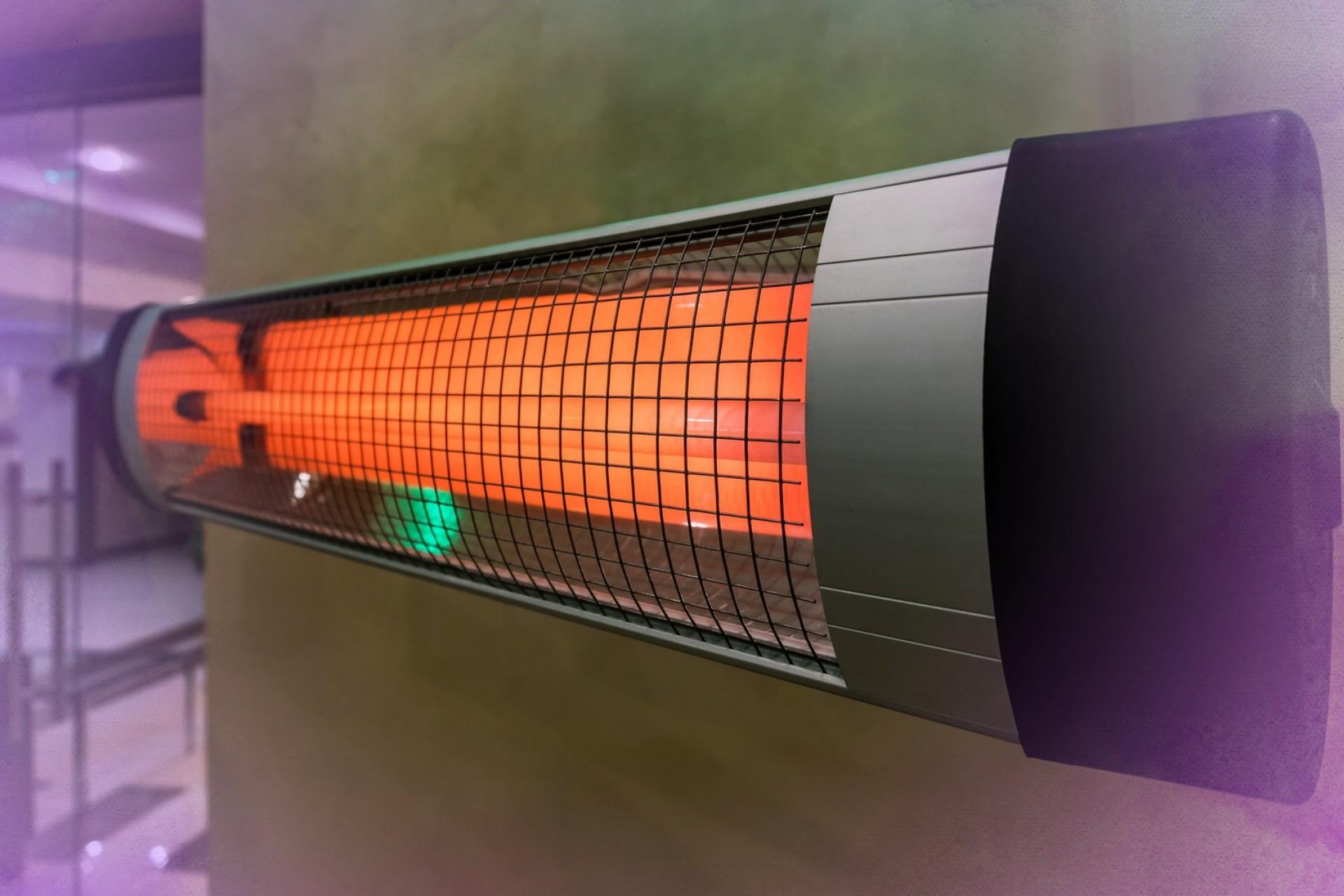
Infrared heat is quite different. It travels in waves and can reach deeper tissues beneath the skin’s surface, offering benefits beyond those of surface heat.
Research in heat transfer is still evolving. As Leite and colleagues point out, “the mechanisms governing internal heat transfer…are still not fully understood and require further investigation” (Leite et al., 2025). Even today, many aspects of heat therapy remain a mystery. Eneren and co-researchers note that “the presence of controversial results and the lack of understanding of heat transfer enhancement mechanisms prevent further advancement” (Eneren et al., 2022). Adding to this complexity, studies have shown that in some advanced materials, “as the gas density increases, the cross-plane thermal conductivity…increases, whereas the in-plane thermal conductivity…is monotonically decreased” (Giri & Hopkins, 2021). The RegenPhD Pod embraces this complexity by combining heat with other energies, such as magnetic fields, light, vibrations, and sound, creating a sophisticated and truly multi-dimensional wellness experience.
How Heat Works Within the Body: A Simple Explanation
At its essence, heat therapy works by expanding blood vessels, boosting circulation, and promoting relaxation. Conventional heat sources like a hot bath mainly warm the skin and the layers just beneath it, providing soothing relief.
Infrared heat, however, penetrates more deeply, reaching muscles and tissues below the skin. Think of conventional heat as gently warming the surface of a pond, while infrared warms the water beneath, nourishing the plants’ roots.
Scientists have long relied on intricate experiments and models to understand heat flow. For example, Leite et al. describe how “specific components were designed and assembled for the fabrication of the thermosyphon and its associated testing apparatus” (Leite et al., 2025), showing how carefully heat is studied.
When it comes to new materials, many factors come into play. Eneren and colleagues highlight that “nanofluid stability, thermal conductivity, and particle clustering, as well as the particle–surface interactions…have a role in the heat transfer enhancement” (Eneren et al., 2022). Similarly, Giri and Hopkins found that “a large portion of heat is conducted along the laminar pore channels by the gas molecules colliding with the solid framework and is directly related to the gas diffusivities” (Giri & Hopkins, 2021). Such findings reveal just how involved and nuanced heat transfer can be, both in engineered materials and in how heat affects the human body.
This deeper heat penetration can bring more profound and longer-lasting effects. The RegenPhD Pod builds on this, subtly blending heat with magnetic, light, vibrational, and sound energies to create a richer, multi-layered impact.
The Strength of Synergy: Heat Plus So Much More
Here’s where the concept of “biostacking” comes in—combining compatible physical energies to boost their overall effect. Unlike typical heat treatments that use a single heat source, the RegenPhD Pod synchronises heat, magnetic fields, light, vibrations, and sound waves.
Cutting-edge engineering blends theory with experimentation. Leite et al. note that “the combination of theoretical modeling, experimental data, and advanced visualization techniques represents a promising approach toward achieving a more comprehensive understanding” (Leite et al., 2025). This is very much the approach the Pod embodies.
The idea of combining forces is not limited to wellness. Eneren and collaborators observe that “nanofluids have been the subject of a large number of scientific articles,” reflecting ongoing efforts to innovate through synergy (Eneren et al., 2022).
What makes this special is that it’s not about turning up the intensity but about creating a balanced, harmonious environment that supports vitality, relaxation, and recovery – all naturally and gently. This careful harmony is what sets the RegenPhD Pod apart from simpler heat applications.
Personalised Precision: The Regen R1 Synergy Chipset
The magic of this complex system lies in smart control. The Regen R1 Synergy Chipset is like a conductor expertly directing an orchestra, carefully balancing all the energies to suit each individual’s unique needs.
Unlike off-the-shelf home devices that offer fixed settings, this chipset ensures sessions are smart, data-informed, and precisely tailored. Personalisation is the key to making the multi-energy experience truly effective.
This is a significant advance in wellness technology—bringing together precision and holistic synergy in a clinical setting.
Conclusion
Not all heat is equal. Knowing the different sources of heat, how they work in the body, and how combining energies can enhance effects is essential to optimising wellbeing.
The RegenPhD Pod perfectly illustrates these principles, offering a sophisticated, multi-energy wellness experience that goes beyond simple warmth.
As energy synergy advances, it’s reshaping how we approach vitality and resilience, opening exciting new pathways for personalised care in clinics.
References
- Leite, N., Zanardi, M., & Reis, L. C. (2025). Heat transfer mechanisms in thermosyphon condensation. Brazilian Journal of Development, 11(9), Article 017. https://doi.org/10.34117/bjdv11n9-017
- Eneren, P., Aksoy, Y., & Vetrano, M. (2022). Experiments on single-phase nanofluid heat transfer mechanisms in microchannel heat sinks: A review. Energy, 15(7), 2525. https://doi.org/10.3390/en15072525
- Giri, A., & Hopkins, P. (2021). Heat Transfer Mechanisms and Tunable Thermal Conductivity Anisotropy in Two-Dimensional Covalent Organic Frameworks with Adsorbed Gases. Nano Letters, 21(13), 5547–5553. https://doi.org/10.1021/acs.nanolett.1c01863