
Differences in Heat Types Shaping Modern Wellness
Introduction
Warming the body is one of humanity’s oldest and most cherished wellness rituals. From steaming baths to cosy firesides, heat has long been linked to comfort and healing. But not all heat is equal. It interacts with our bodies in different ways and produces varied effects. Many people assume that simply feeling warm brings therapeutic benefits, yet the reality is more complex. Today’s wellness technologies, such as the RegenPhD Pod, reflect a scientific approach to heat—offering carefully designed, multi-layered experiences that avoid medical claims. In this article, we’ll explore the different types of therapeutic heat, their underlying science, and how they shape modern wellness.
The Science of Heat: Understanding Thermal Therapies
Heat is energy moving from one place to another, and it can affect our tissues in several ways. It transfers through conduction—direct contact, like a hot water bottle warming your skin—and through radiation, where energy travels invisibly, warming objects it touches, much like the sun’s rays. As Robert Granger (1994) explains, “Students learn by doing… and they will better understand the principles of heat transfer and thermodynamics by conducting experiments and seeing results.” Traditional heat therapies mostly rely on conduction and convection: think soaking in hot water, enjoying steam, using electric pads, or sitting in a sauna. Each delivers heat differently, both in intensity and depth. Imagine dipping your hand into warm bathwater—conduction quickly warms the skin—whereas in a sauna, hot air gently surrounds and heats the body more evenly but less deeply. More recent advances tap into infrared heat, a radiant energy that penetrates beneath the skin, reaching muscles and even cells. Picture the difference between feeling the warmth radiated by a campfire and holding your hand directly on a hot object. In fact, Vincenzo Ciancio and József Verhás (1990) note that “different parts of the radiating heat transfer are independent of each other,” which highlights just how complex radiant heat’s interaction with the body can be. Today’s wellness devices combine different energies—light, heat, vibration—offering nuanced experiences that engage multiple body systems. Furthermore, NASA and the Atomic Energy Commission recognised decades ago that “devices have been developed to provide more efficient means of heat transfer between components within a system and between systems and the ambient” (1974), emphasising how technology keeps improving heat delivery.
Infrared Heat vs Conventional Heat: Beyond the Surface
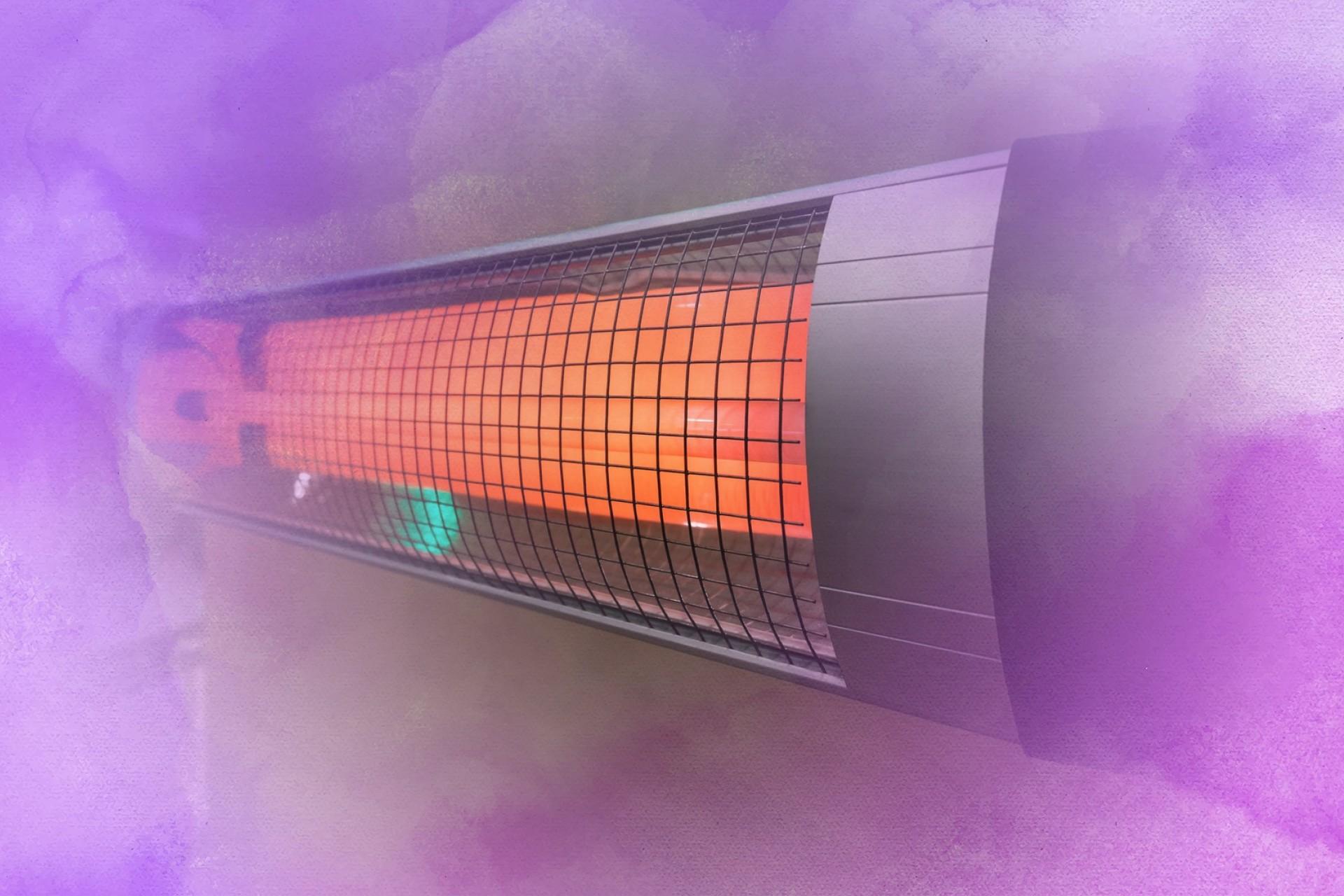
Infrared heat differs fundamentally from traditional conductive or convective heat, as it travels via radiant energy that penetrates much deeper into body tissues. Far-infrared, a specific type of this light spectrum, gently vibrates water molecules inside cells without overheating the skin’s surface. Imagine sunlight warming your skin layers far beyond what you can directly feel. Unlike conventional heat that mainly warms the surface, infrared heat reaches muscles and joints, subtly influencing internal environments. This may support relaxation, recovery, and resilience in a unique way. Ciancio and Verhás (1990) also point out that “the different parts of the heat flow are dynamic state variables,” meaning the body’s response to radiant heat varies depending on how and where energy is absorbed. While research is ongoing, the way far-infrared interacts with water molecules offers exciting potential in understanding energy’s effect on our biology.
Synergy Over Isolation: The Power of Multi-Energy Approaches
Modern wellness is moving beyond single sources of heat, embracing the concept of “biostacking” — combining multiple energy modalities like magnetic fields, light, heat, vibration, and resonance to create amplified, holistic effects. Think of a symphony, where many instruments playing together produce richer, more nuanced music than a soloist alone. As Granger (1994) remarks about his experiments, “The experiments use apparatus that is easily built or attainable,” underscoring that practical integration has long been key in deepening our understanding. Similarly, combining energy sources in wellness devices, like the RegenPhD Pod, provides more complex bodily stimulation. Without overpromising, this science-driven synergy transforms simple heat therapy into a purposeful, coordinated wellness experience.
Harnessing Intelligent Integration: The Role of the Regen R1 Synergy Chipset
The magic behind the RegenPhD Pod’s tailored experience is its Regen R1 Synergy Chipset. Think of it as an expert conductor, skilfully orchestrating various energies—infrared heat, magnetic pulses, light, vibration—to work harmoniously. By continuously assessing user responses and adjusting energy delivery, this intelligent system goes beyond fixed presets. It personalises every session with precision and intention, making each experience unique and responsive to individual needs. In combining these elements, the RegenPhD Pod exemplifies the future of targeted, science-backed heat therapy—elevating an ancient practice to a sophisticated and personalised art form. --- Heat therapy is far from a one-size-fits-all remedy. It involves a rich spectrum of energies, each with unique pathways and effects. By embracing this complexity and layering multiple modalities, modern wellness is moving beyond tradition—offering profoundly thoughtful and innovative ways to connect with the body’s natural potential for wellbeing.
References
- Granger, R. (1994). Experiments in Heat Transfer and Thermodynamics. Cambridge University Press. https://doi.org/10.1017/cbo9780511608346
- Ciancio, V., & Verhás, J. (1990). A thermodynamic theory for radiating heat transfer. Journal of Non-Equilibrium Thermodynamics, 15(1). https://doi.org/10.1515/jnet.1990.15.1.33
- U.S. Atomic Energy Commission & National Aeronautics and Space Administration. (1974). Heat Transfer and Thermodynamics: A Compilation. Office of Scientific and Technical Information. https://doi.org/10.2172/4286883
Frequently Asked Questions
Related Insights
Graphene Revolutionizing Infrared Heat Efficiency in Wellness Technologies
3 February 2026

Multi-Energy Wellness Systems and Microcirculation Support via PEMF
3 February 2026

ATP as the Essential Energy Source for Cellular Vitality and Wellness
26 February 2026